


Clarity for When Your Body Stops Responding
Thoughtful, evidence-informed insights into why progress stalls — and what helps your body respond again.
Where Did My Sex Drive Go? What Women Should Know About Low Libido
Has your sex drive disappeared somewhere along the way? Low libido is common, but that doesn’t mean you have to accept it as “just part of getting older.” Here’s what may be contributing—and when low desire may actually be HSDD.

Why Am I Suddenly So Irritable, Anxious, or Not Feeling Like Myself?
If you've suddenly become more anxious, irritable or simply don't feel like yourself, hormones may be part of the picture. Here's why mood can change during perimenopause—and why I look beyond hormones too.
Why Am I Waking Up at 3 AM Every Night?
Falling asleep isn't the problem—you just can't stay asleep. Here's why waking around 3 AM can become common in midlife and what your hormones may have to do with it.

Could I Be in Perimenopause Even If I'm Still Having Periods?
You don't have to miss a period to be in perimenopause. Hormone changes can begin years earlier—and sometimes changes in sleep, mood, weight or how you feel are the first clues.

How Do I Know If My Hormones Are Out of Balance?
Weight gain, poor sleep, anxiety, brain fog and fatigue can all make you wonder if your hormones are out of balance. Here's why symptoms, labs and how your hormones work together all matter.

What's the First Thing I Look For When a Woman Can't Lose Weight?
Many women think they need more willpower or a stricter diet. In reality, the first thing I look for is often something that's missed on routine lab work.

Could My Hormones Be Sabotaging My Weight Loss Efforts?
Could your hormones be keeping you from losing weight? Discover how insulin, thyroid hormones, cortisol, estrogen, and progesterone influence metabolism and why looking at the whole picture is key to lasting results.

Why Do I Crave Sugar All the Time?
Do you feel like you're constantly craving sugar, no matter how hard you try to eat healthy? Discover why sugar cravings aren't always about willpower, how insulin resistance may be driving them, and five simple strategies to help regain control.

My Labs Are Normal…So Why Do I Still Feel So Bad?
Have you ever been told your lab work is "normal," yet you still feel exhausted, struggle to lose weight, or just don't feel like yourself? You're not imagining it. In this article, I'll explain three common reasons why normal labs don't always tell the whole story—and how looking at the right tests in the right context can make all the difference.
I'm Doing Everything Right...So Why Can't I Lose Weight?
You're tracking your food, exercising regularly, and still watching the scale refuse to move. If you've ever wondered, "I'm doing everything right... so why can't I lose weight?" you're not alone. Discover four common root causes that may be working against your body—and what to do next.
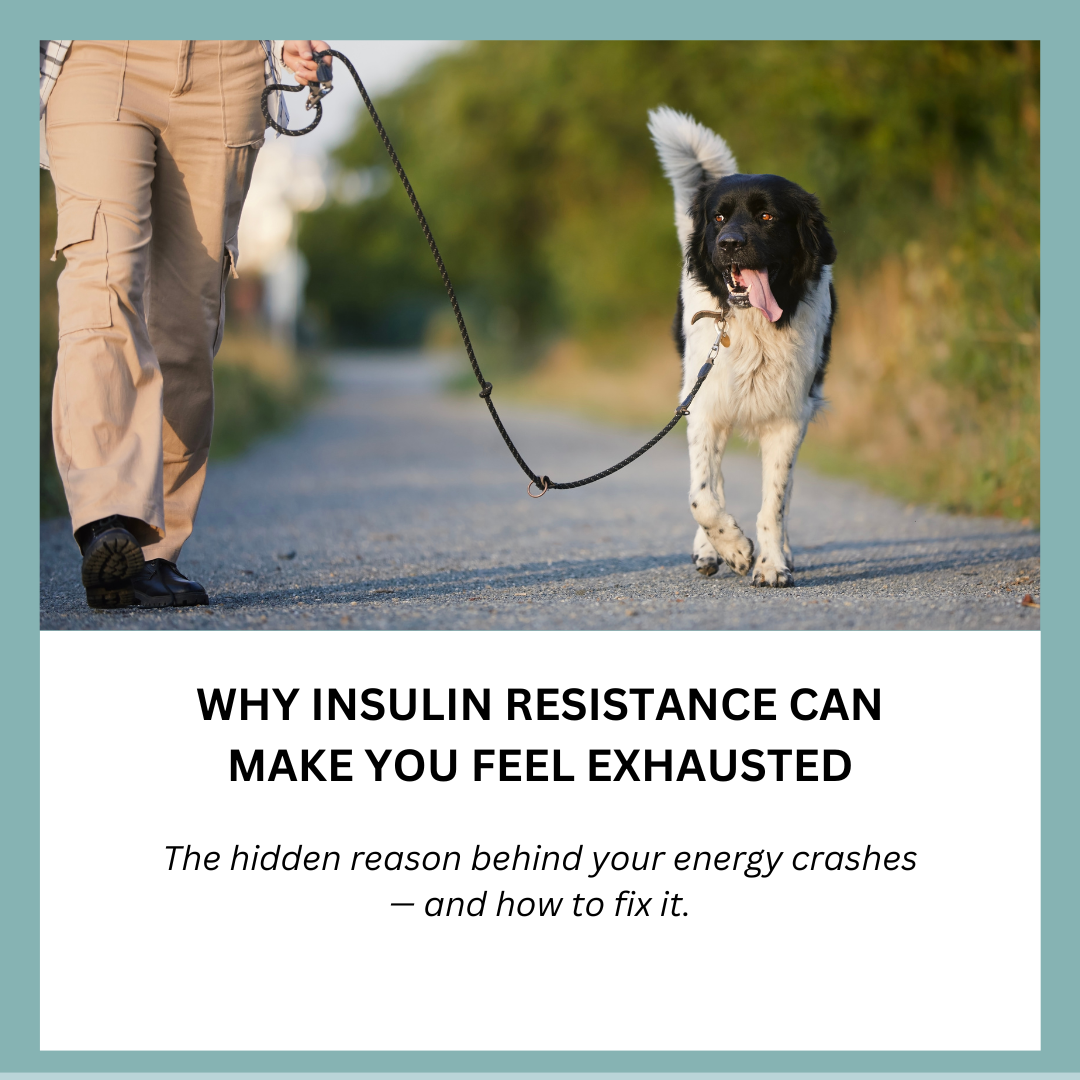
Why Insulin Resistance Can Make You Feel Exhausted
You're eating well, getting enough sleep, and still running on empty. Before you blame stress or your schedule, it might be time to look at your blood sugar. Insulin resistance is one of the most overlooked causes of chronic fatigue — and the good news is, it's highly reversible with the right steps.
Could Your Hormones Be Draining Your Energy?
Persistent fatigue is one of the most common complaints women share — and one of the most dismissed. But if you're tired all the time, there's often a real reason, and hormones are frequently at the root of it. This post covers the hormones most likely to be draining your energy and gives you a clear, actionable roadmap to reclaim your vitality naturally.
My Labs Are Normal—So Why Am I Still Exhausted?
Have you been told your lab work is "normal" but still feel exhausted? You're not imagining your symptoms. Learn why routine blood tests don't always tell the whole story and discover some of the most common hidden causes of persistent fatigue.
Why You're Always Tired: 10 Root Causes Most Doctors Never Explain
Feeling exhausted all the time? Thyroid problems, hormone imbalance, insulin resistance, nutrient deficiencies, and poor sleep are just a few of the hidden causes of fatigue we explore in this guide.
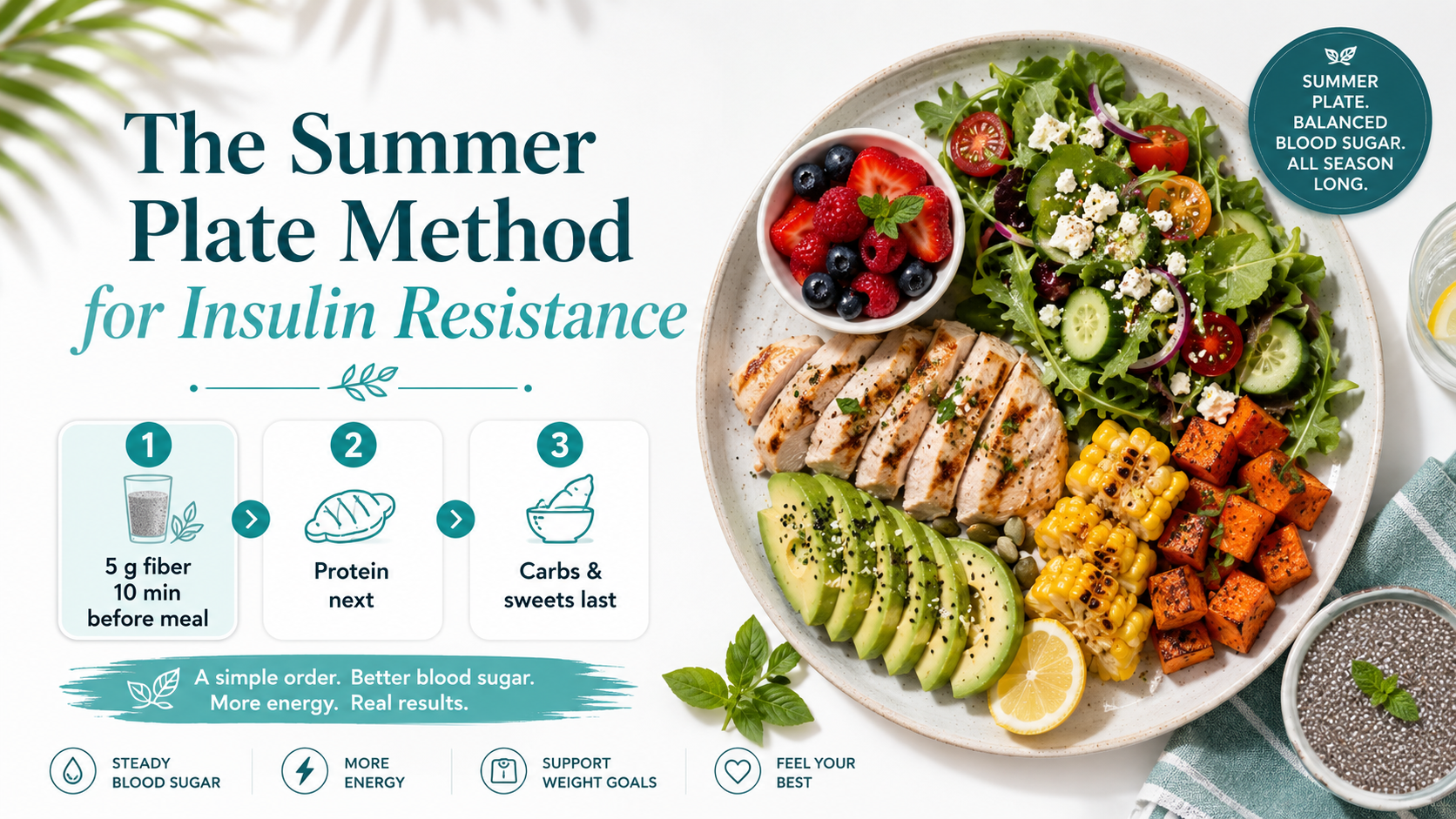
The Summer Plate Method for Insulin Resistance
Summer meals do not have to derail your blood sugar or weight goals. The Summer Plate Method uses a simple sequence—fiber first, protein next, carbs and sweets last—to help support insulin resistance in real life.
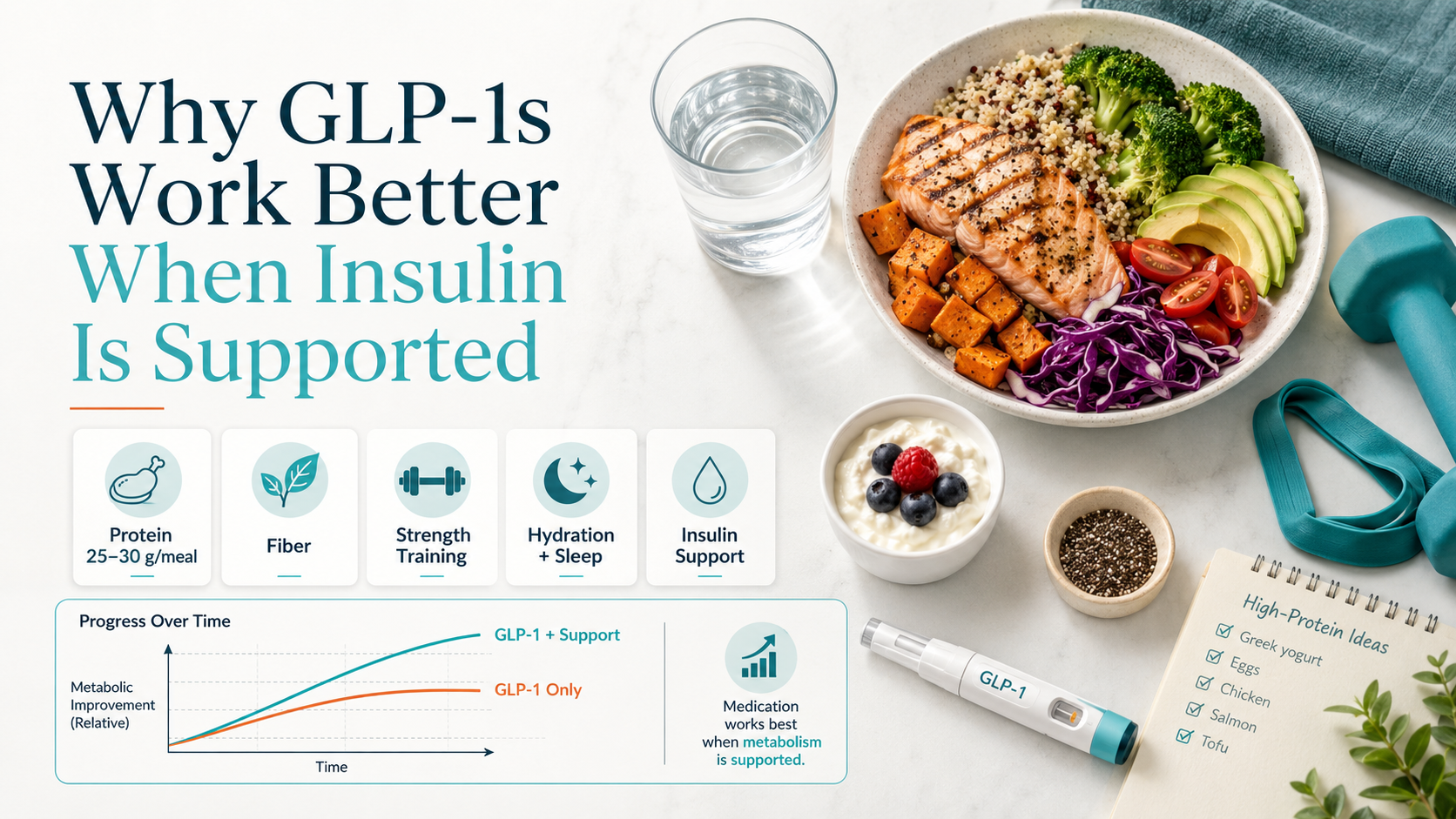
Why GLP-1s Work Better When Insulin Is Supported
GLP-1 medications can help reduce appetite and food noise, but lasting metabolic progress requires more than medication alone. Learn why protein, fiber, muscle, sleep, and insulin support matter.
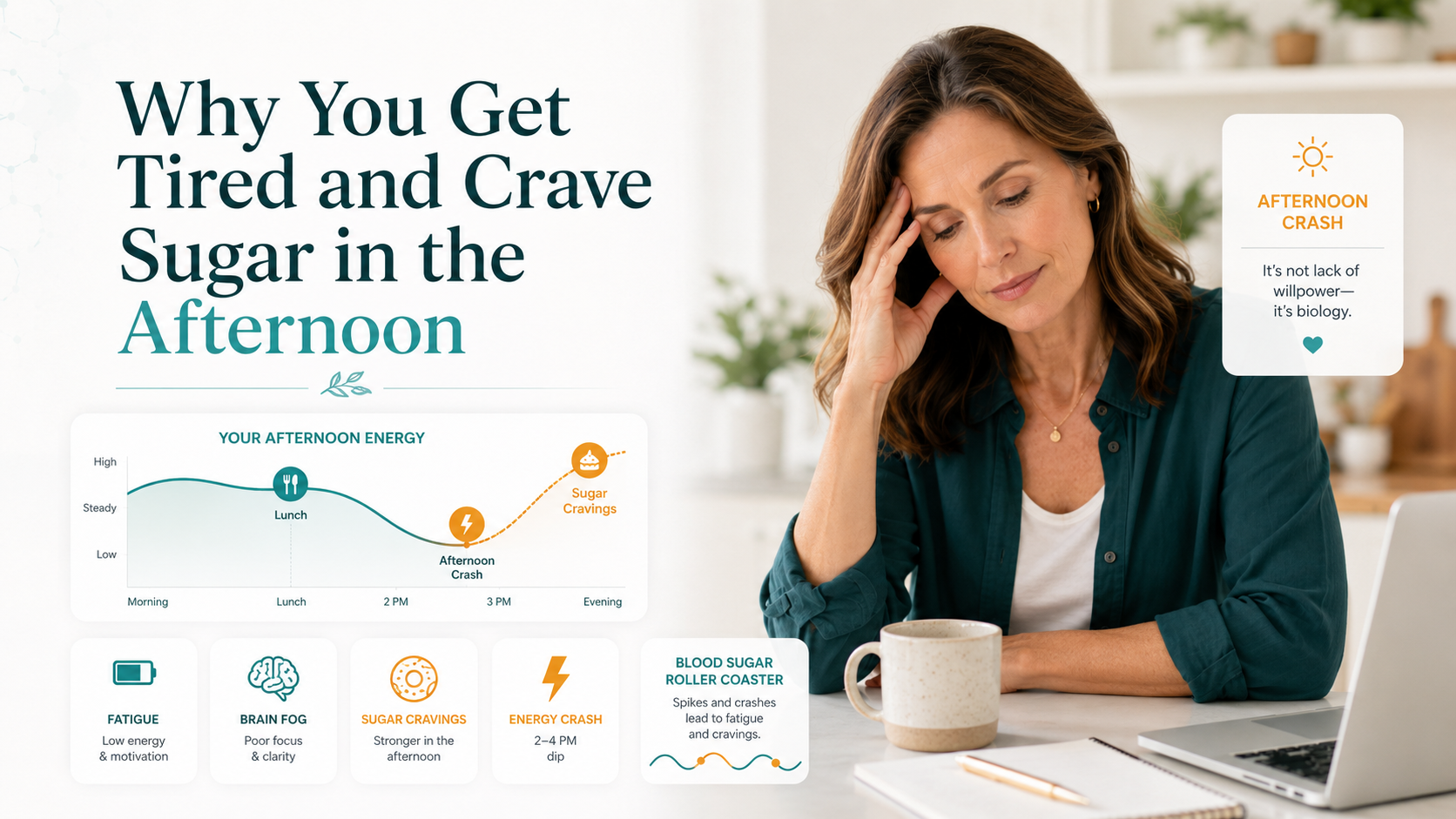
Why You Get Tired and Crave Sugar in the Afternoon
If you feel tired, foggy, irritable, or desperate for sugar every afternoon, it may not be a willpower problem. Blood sugar swings, low protein intake, cortisol patterns, and insulin resistance can all contribute to that familiar 3 PM crash.
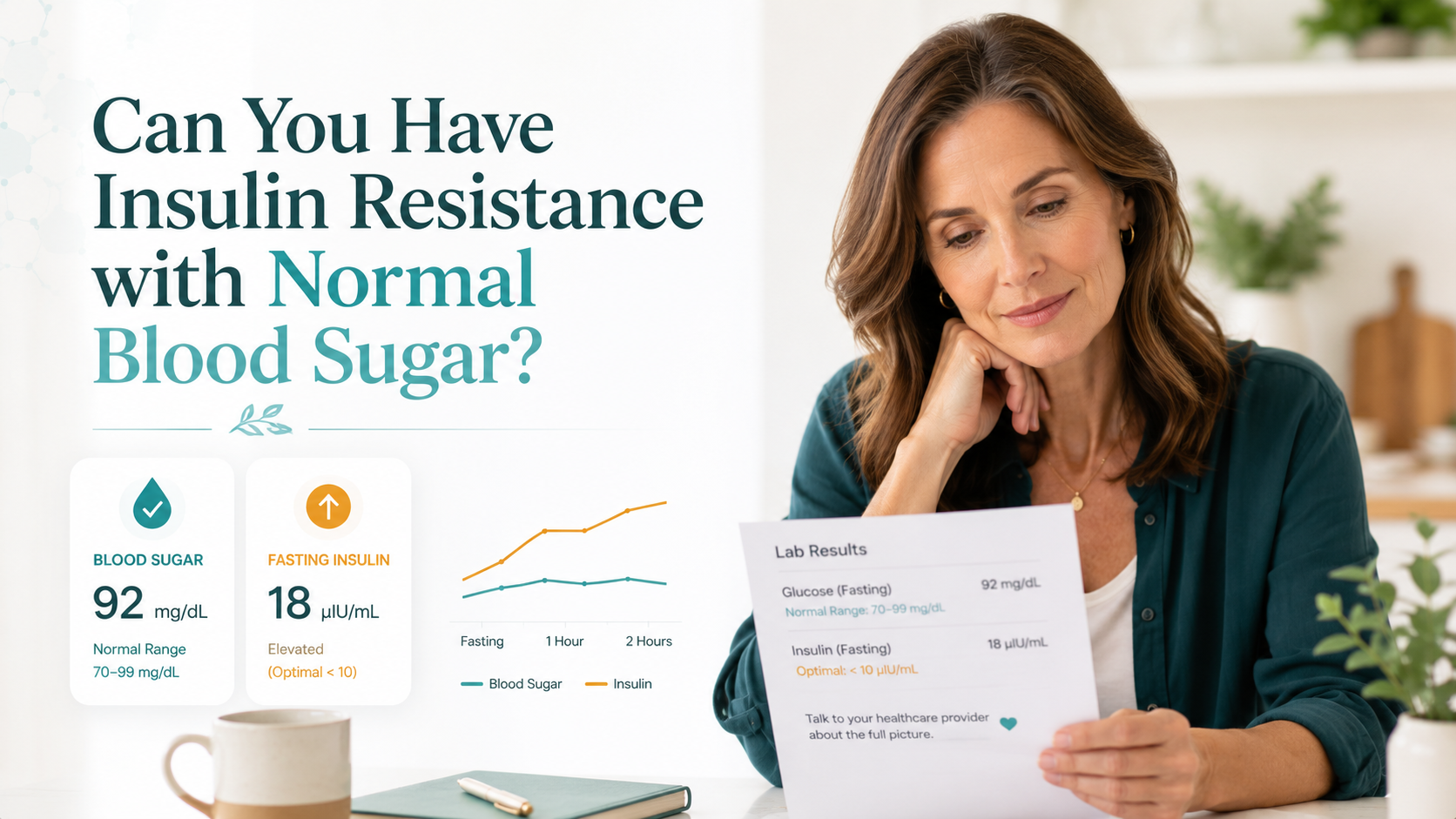
Can You Have Insulin Resistance with Normal Blood Sugar?
Your blood sugar can look normal for years while insulin is already working overtime. If you’re gaining belly fat, craving sugar, crashing after meals, or struggling to lose weight despite “normal” labs, fasting insulin may be the missing piece.
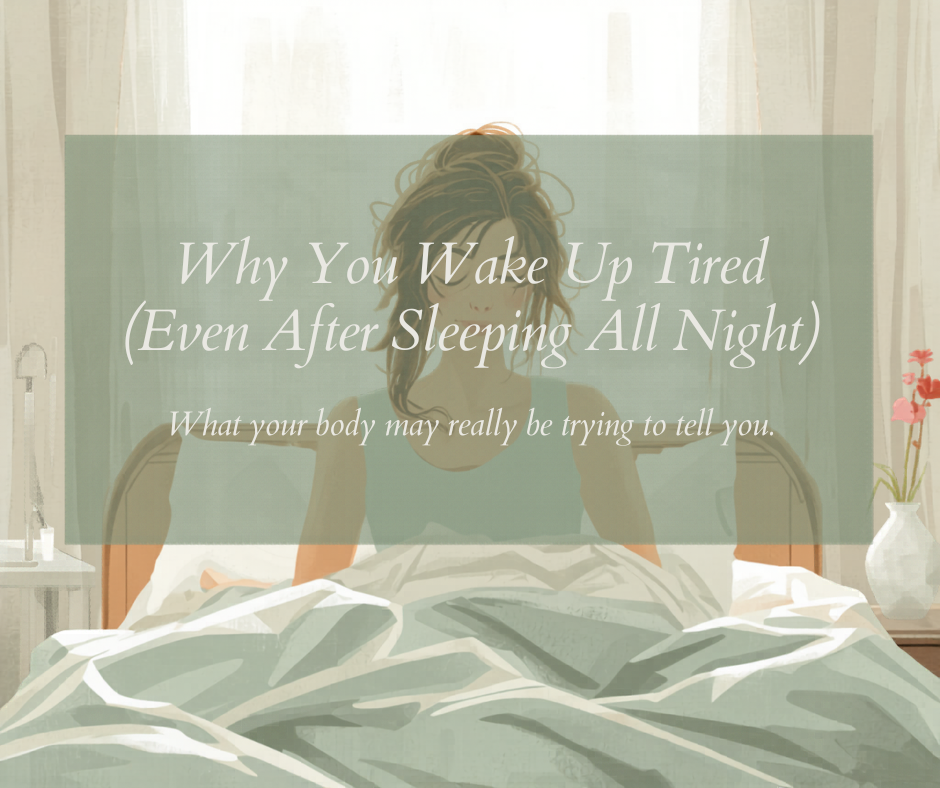
Why You Wake Up Tired (Even After Sleeping All Night)
Here’s the excerpt I’d use for Squarespace/SEO/social preview:
You slept all night… so why are you still exhausted? Many women wake up tired every day despite getting enough sleep and are told it’s “just stress” or part of getting older. But issues like cortisol dysregulation, blood sugar swings, thyroid dysfunction, inflammation, and hormone imbalance may be affecting your body’s ability to truly recover overnight. Here’s what your body may really be trying to tell you.
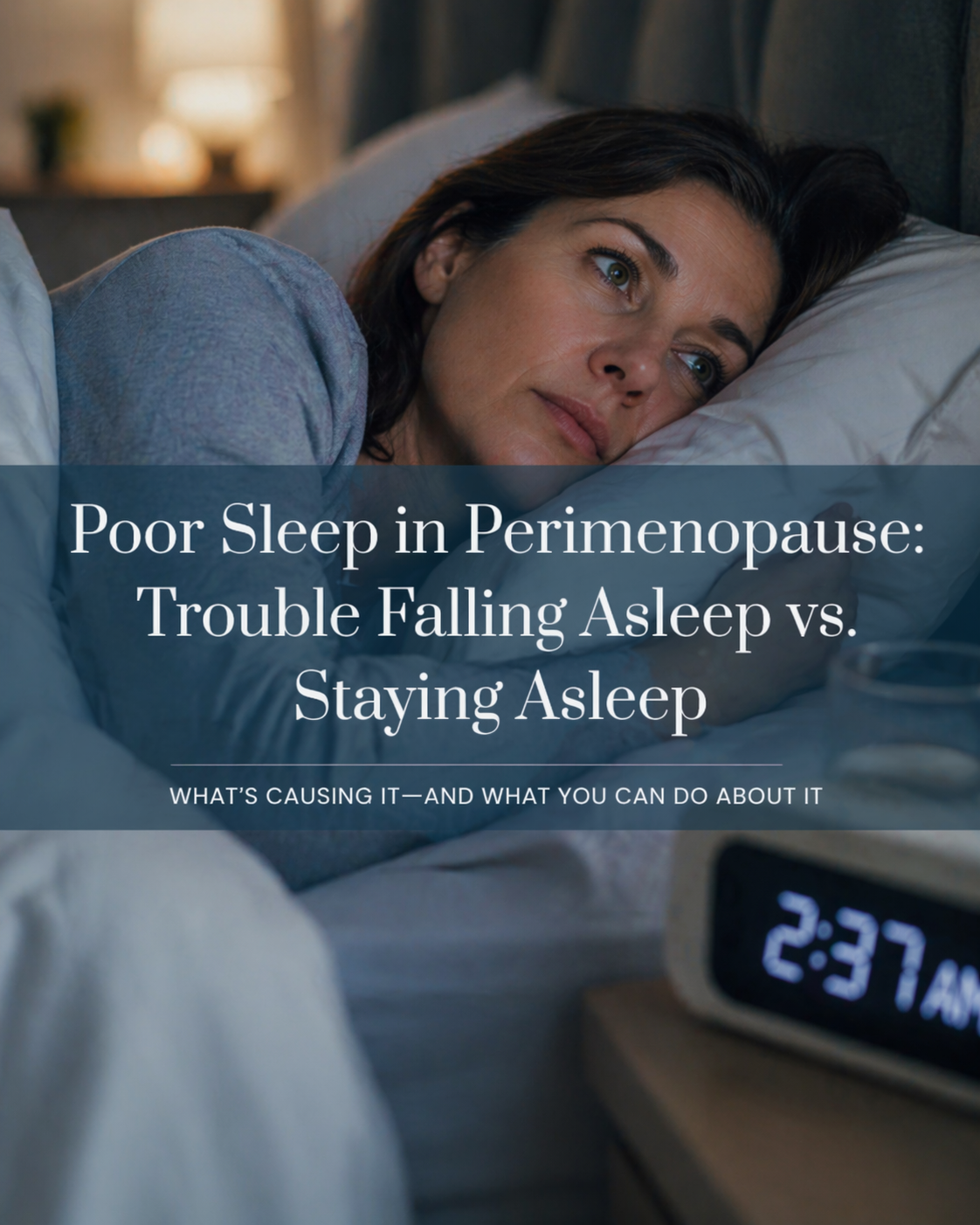
Why You’re Not Sleeping in Perimenopause (And Why It’s Not Just “Stress”)
Struggling to fall asleep—or waking up in the middle of the night? Learn what’s actually causing poor sleep in perimenopause and menopause—and what to do about it.